Home Business Simulations Building High Performing Teams & Leaders in Abu Dhabi

Building High Performing Teams & Leaders in Abu Dhabi

Success Story, Blog Article
Key Takeaways
images

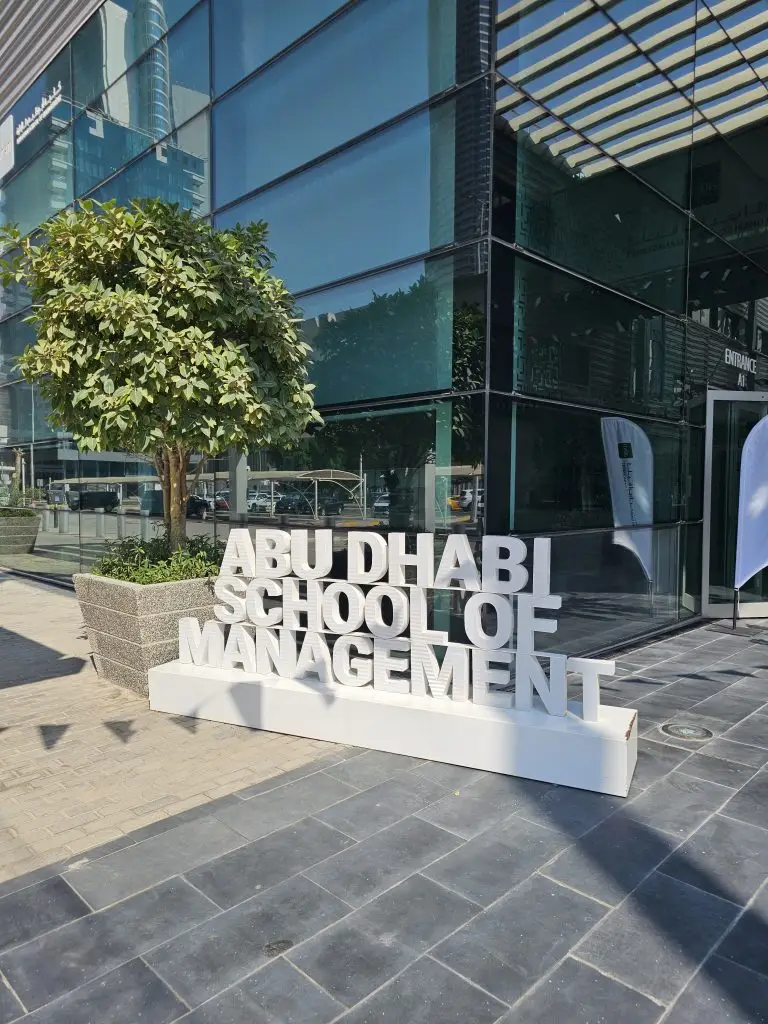
In Collaboration with Abu Dhabi School of Management

he Abu Dhabi School of Management (ADSM), a subsidiary of the Abu Dhabi Chamber, is a unique business school in the region, focusing on innovation and entrepreneurship. ADSM is licensed from the Ministry of Higher Education and Scientific Research (MOHESR) to award degrees in higher education till 02 November 2029. 

polynome_ai_logo

In Collaboration with Polynome AI Academy

Polynome is an Abu Dhabi-based agentic AI company focused on physical operations, building AI platforms that perceive events through video and voice and respond in real time. Through its technology and Polynome AI Academy, it helps organizations apply AI to real-world environments and build the capabilities required to lead and scale AI adoption.

Table of Contents

  1. Building High-Performing Teams for AI Transformation
  2. The Human Challenge Behind AI
  3. Experiencing Team Dynamics Through Miki Island
  4. Strengthening Collective Effectiveness
  5. Conclusion

Building High-Performing Teams for AI Transformation

As organisations accelerate AI adoption, leaders are facing a challenge that goes beyond technology.

AI changes how decisions are made, how roles evolve and how teams collaborate. But while technology can move quickly, team effectiveness, culture and ways of working often take longer to adapt.

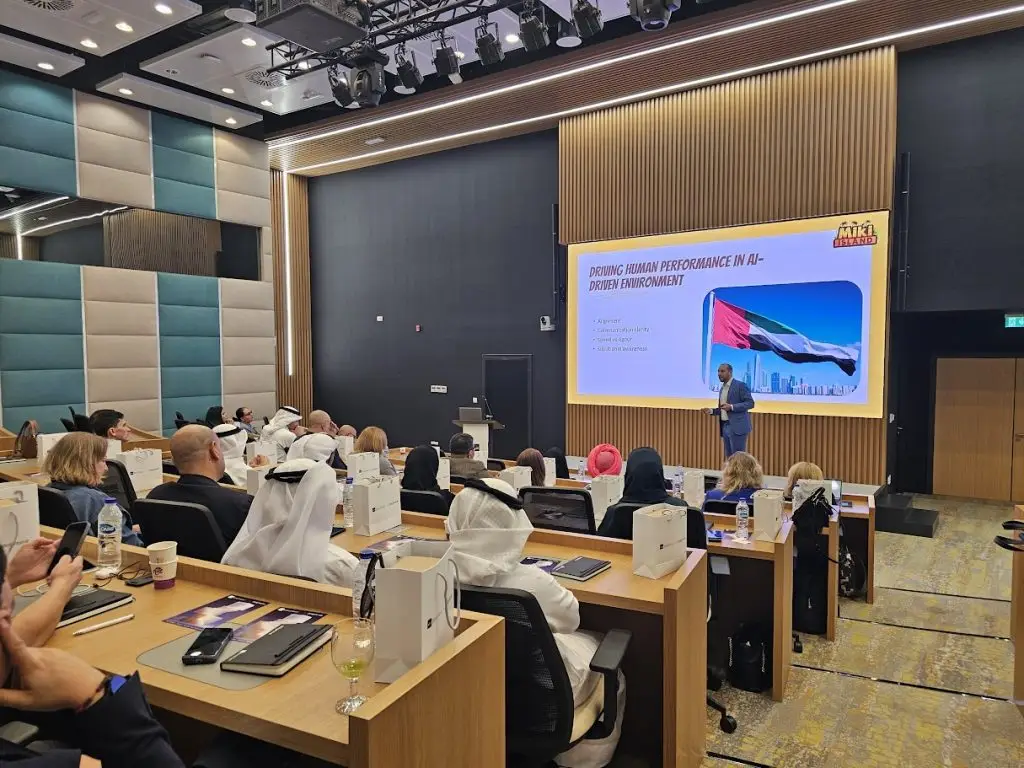
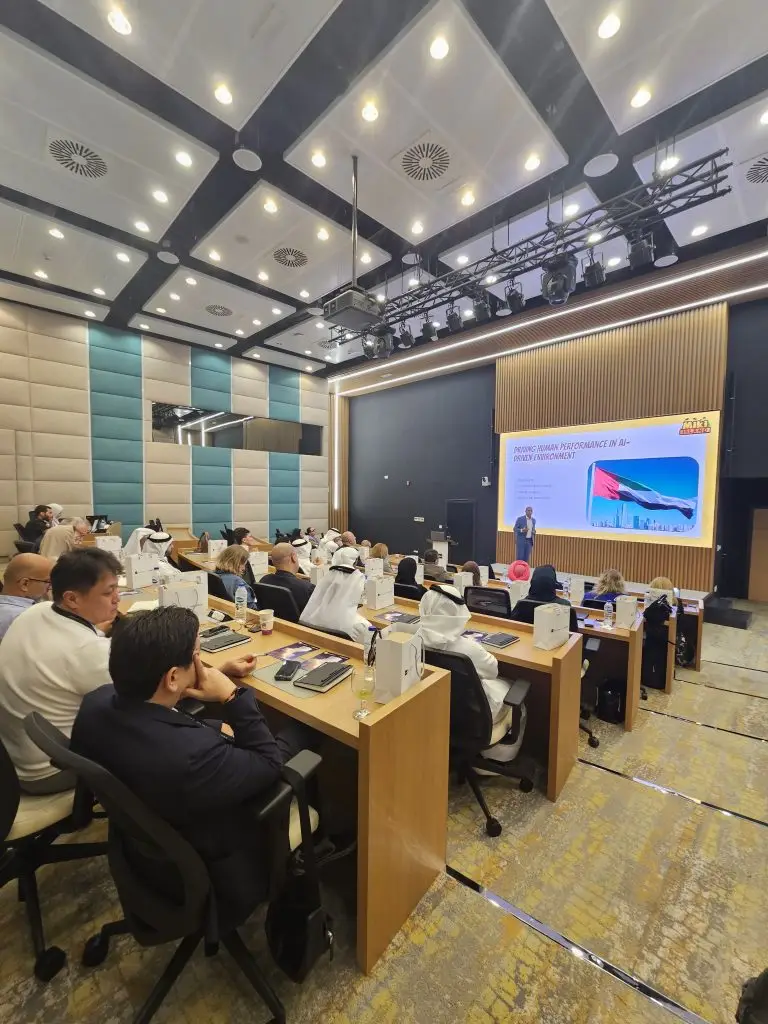
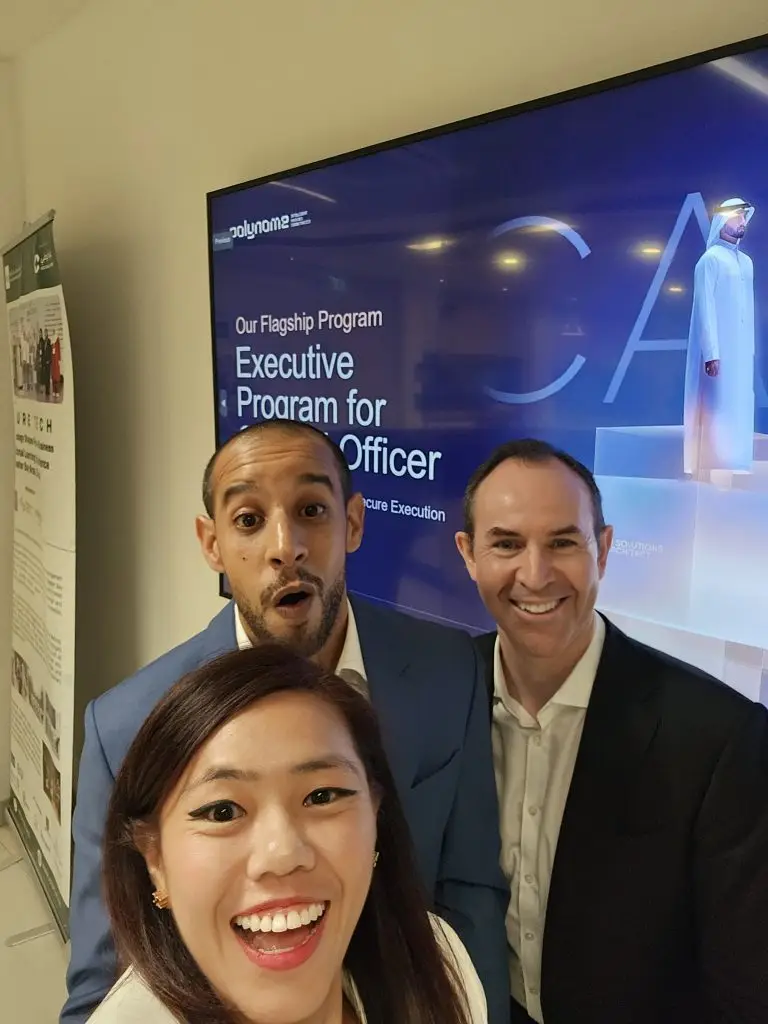
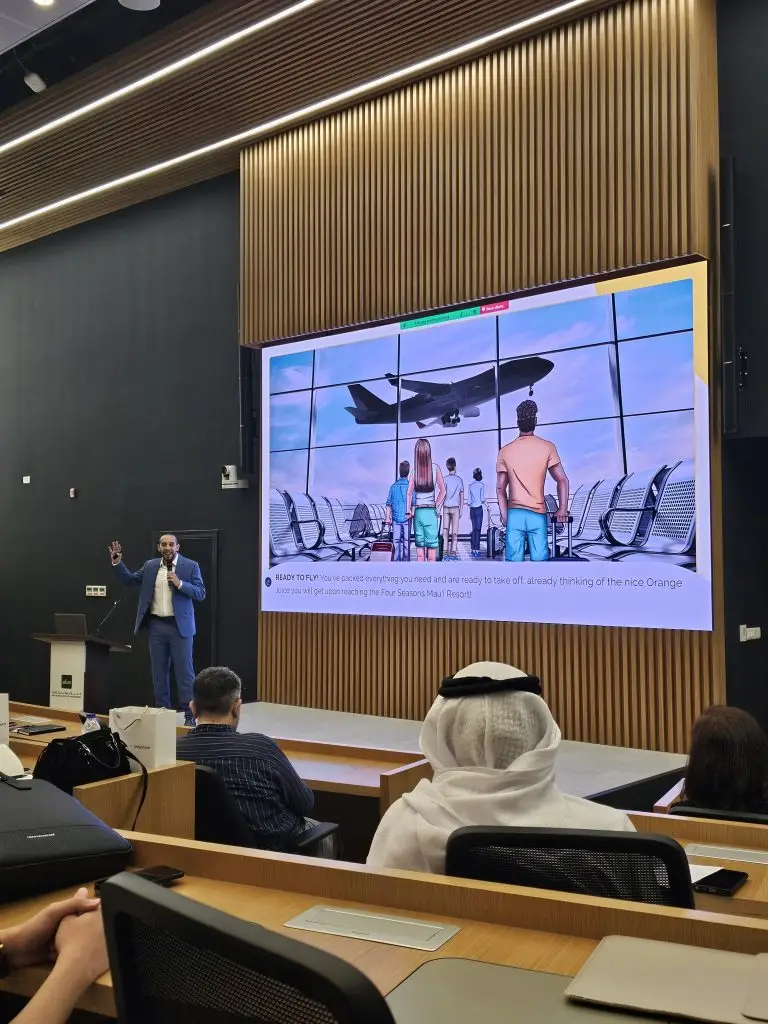
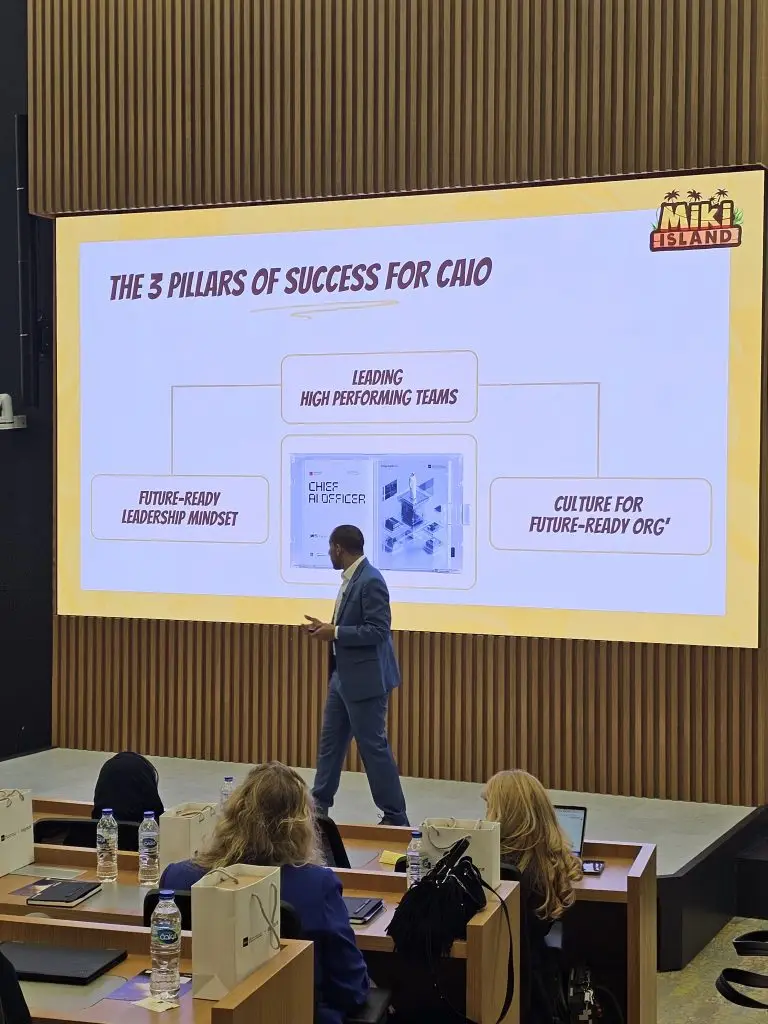
As part of the Chief AI Programme, delivered in partnership with Polynome AI and Abu Dhabi School of Management, senior leaders explored what it takes to build effective teams in AI-enabled organisations.

The Human Challenge Behind AI

AI transformation places new demands on teams.

Leaders need people to collaborate across functions, work with greater ambiguity and make faster decisions while maintaining trust and alignment.

That means paying close attention to:

  • Psychological safety
  • Communication
  • Team alignment
  • Trust
  • Leadership behaviours
  • Decision-making under pressure

The programme recognised that AI transformation is not only a technology challenge. It is also a leadership, team and culture challenge.

Experiencing Team Dynamics Through Miki Island

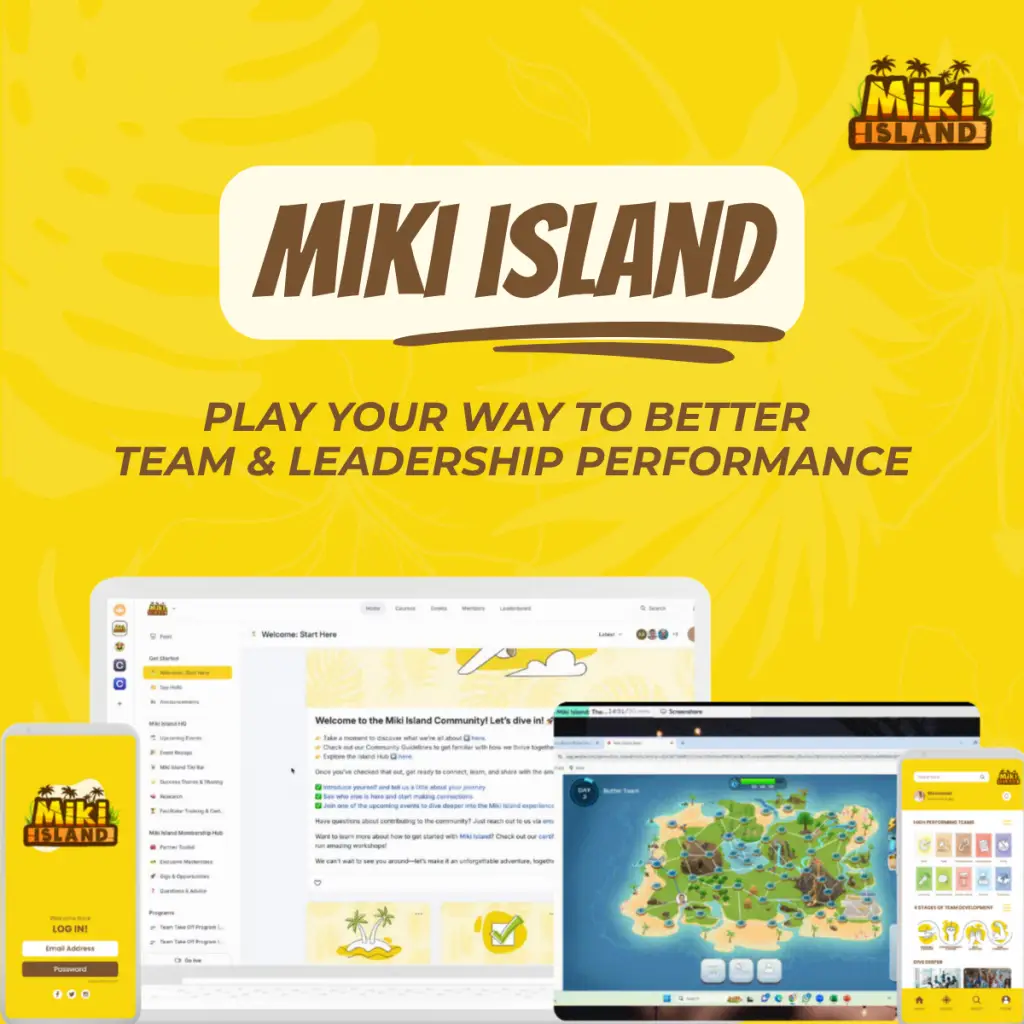
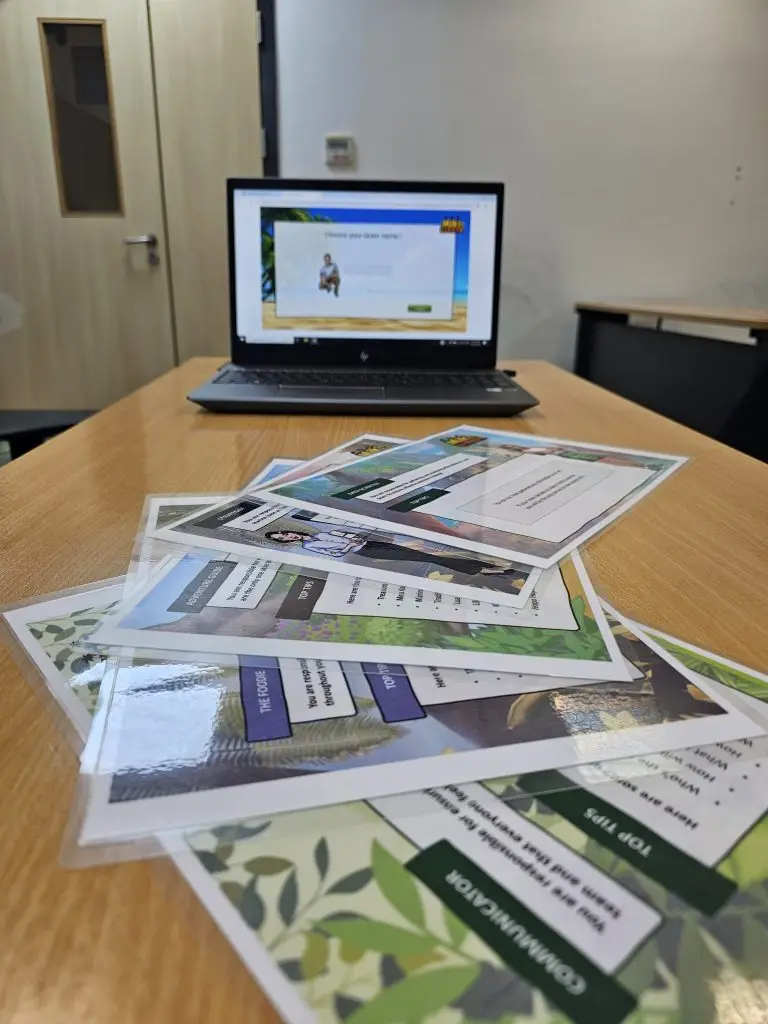
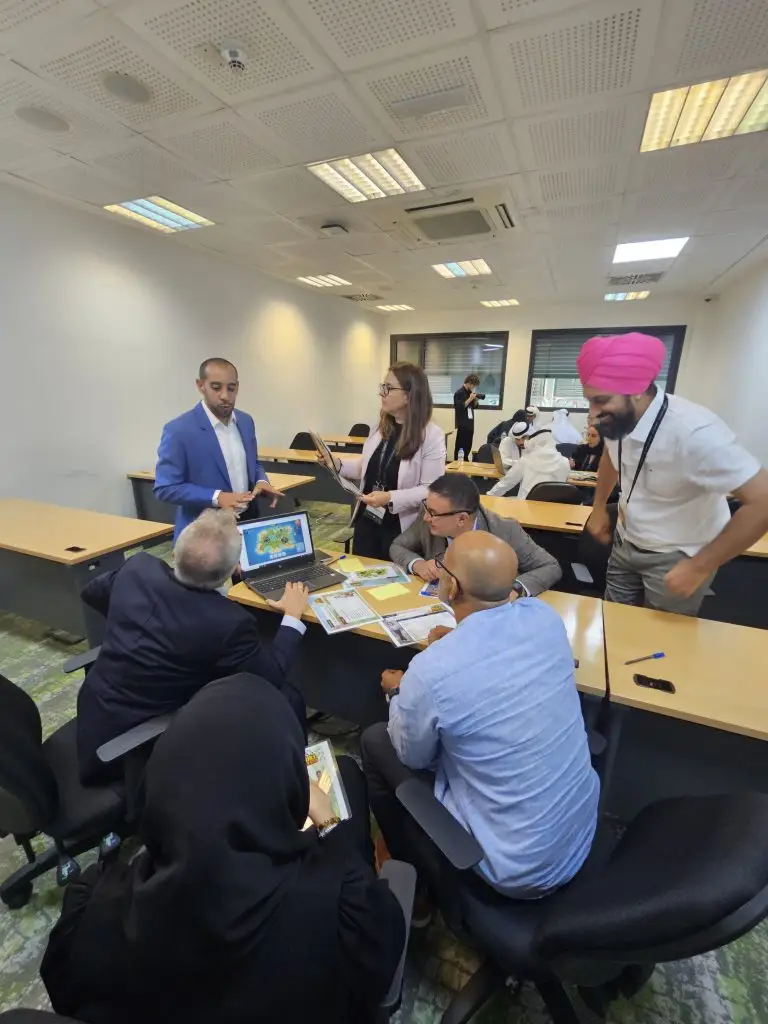
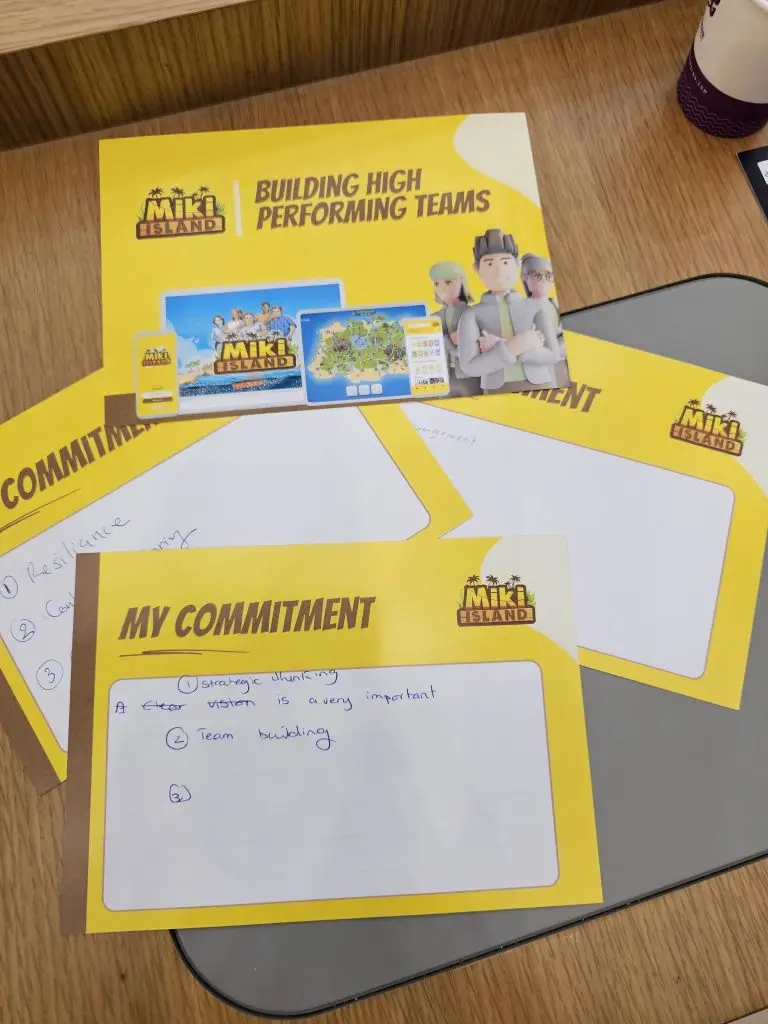
The Miki Island Business Simulation gave participants a practical way to experience these dynamics.

Working in teams, participants were placed in realistic, high-pressure situations that required them to:

  • Make collective decisions under uncertainty
  • Balance performance, wellbeing and alignment
  • Navigate conflict and communication breakdowns
  • Build trust and psychological safety
  • Reflect on how leadership behaviours affect the team

Rather than discussing teamwork in theory, participants experienced how team behaviours influence performance in real time.

Strengthening Collective Effectiveness

The simulation helped shift attention from individual expertise to collective performance.

Participants explored:

  • How leadership behaviours influence team outcomes
  • Why psychological safety affects decision quality
  • The tension between speed, inclusion and alignment
  • How informal team norms shape performance
  • How culture can accelerate or slow AI adoption

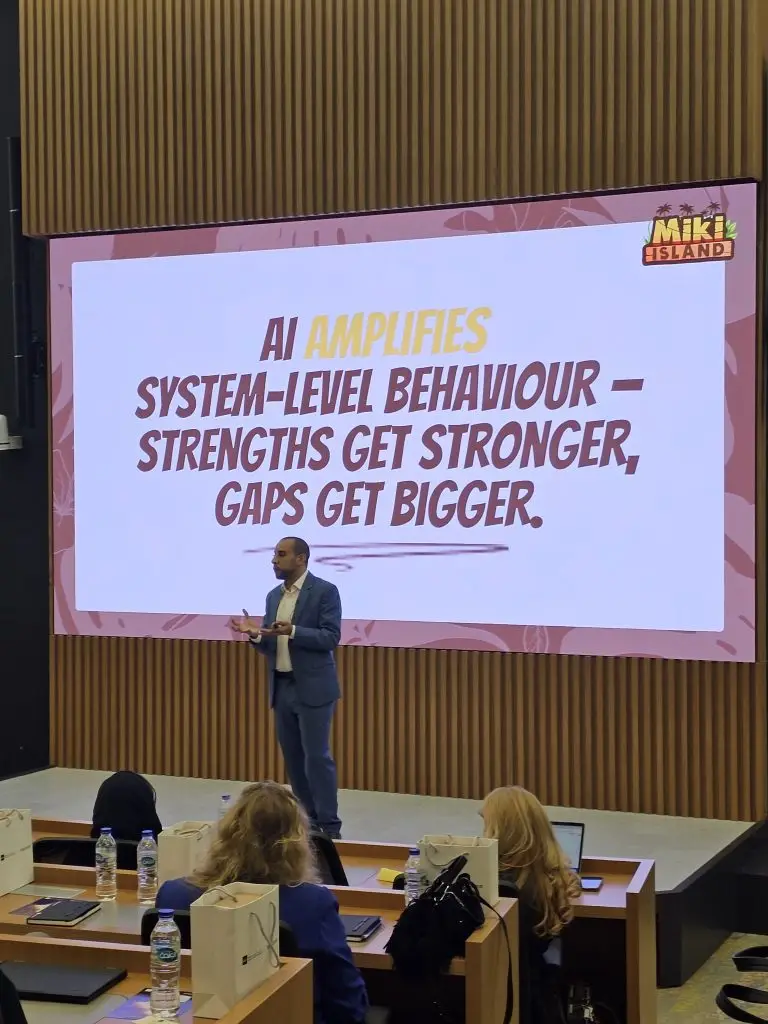
For many participants, the simulation acted as a mirror — making visible the leadership and team patterns that can either enable or limit performance in AI-driven environments.

Conclusion