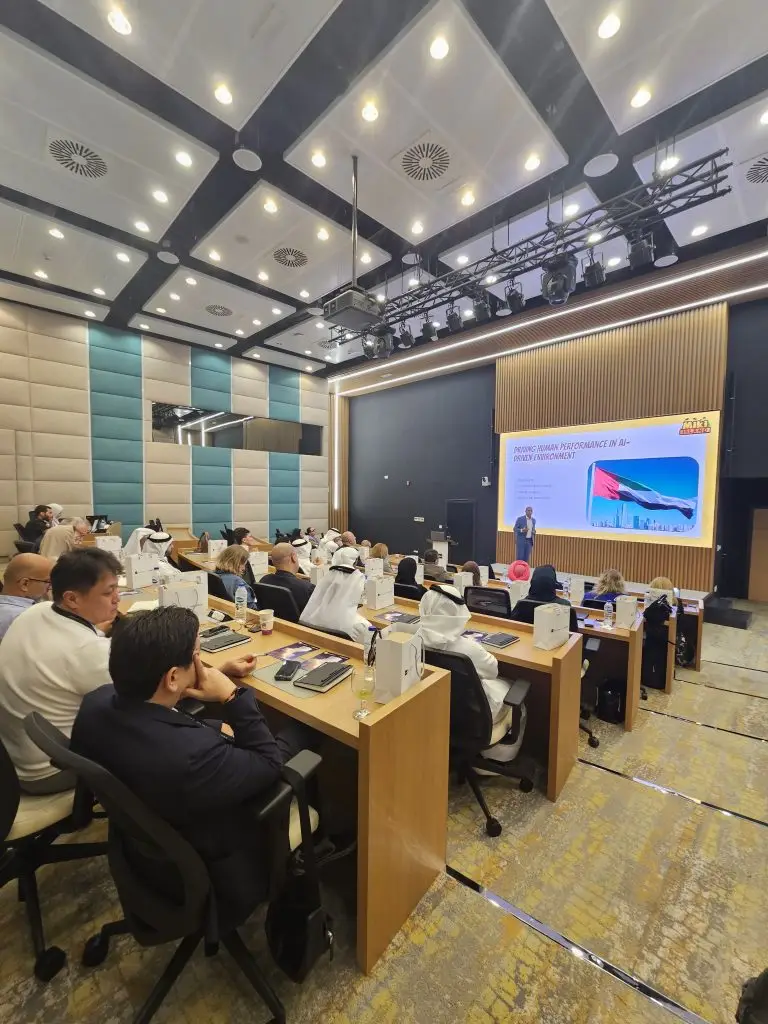
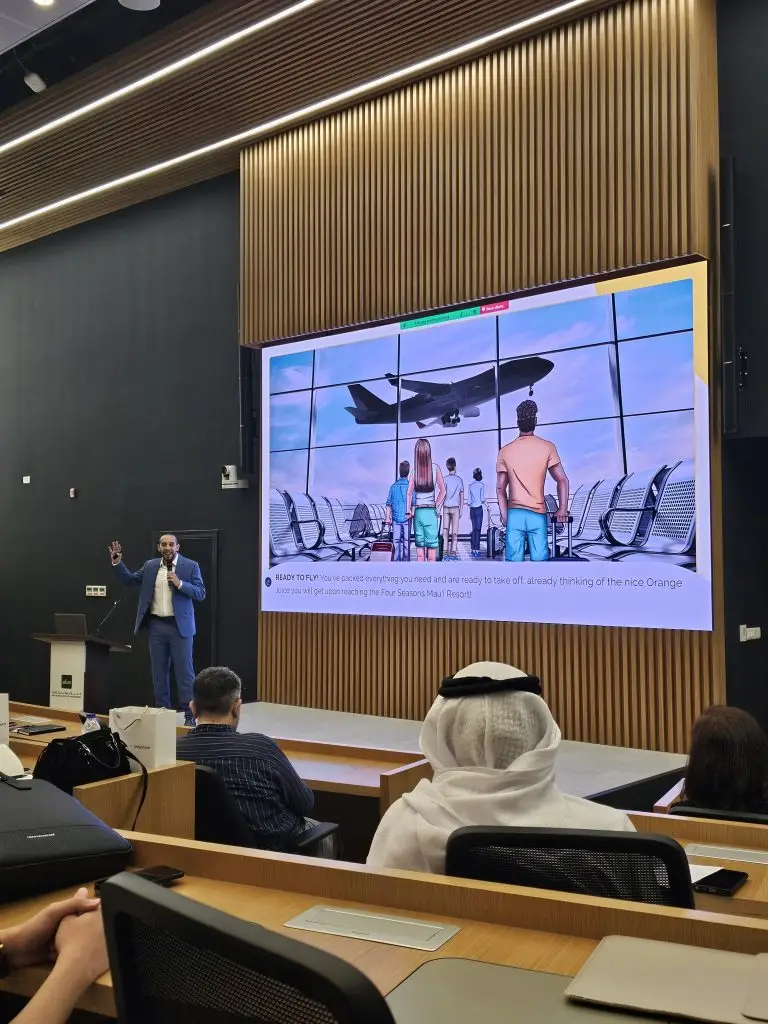
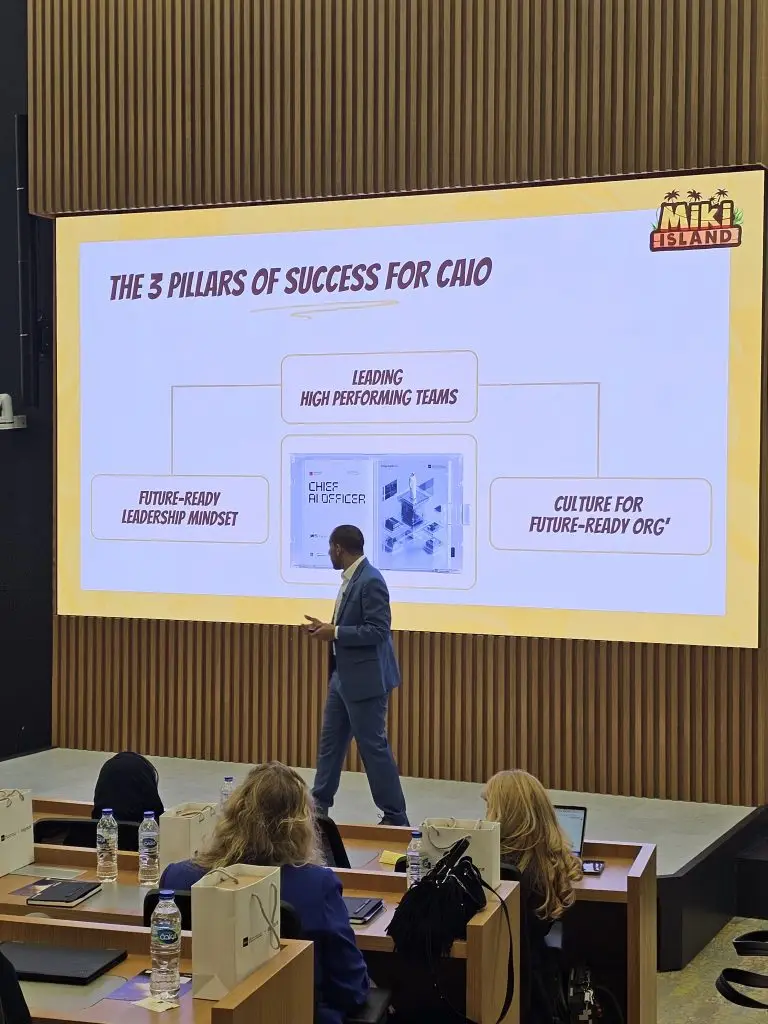
Building High Performing Teams & Leaders in Abu Dhabi

How the Chief AI Programme Used Miki Island Business Simulations to Strengthen Team Effectiveness

As organisations accelerate their adoption of AI, a new leadership challenge is emerging: while technology capabilities advance rapidly, team effectiveness, culture, and ways of working often lag behind.

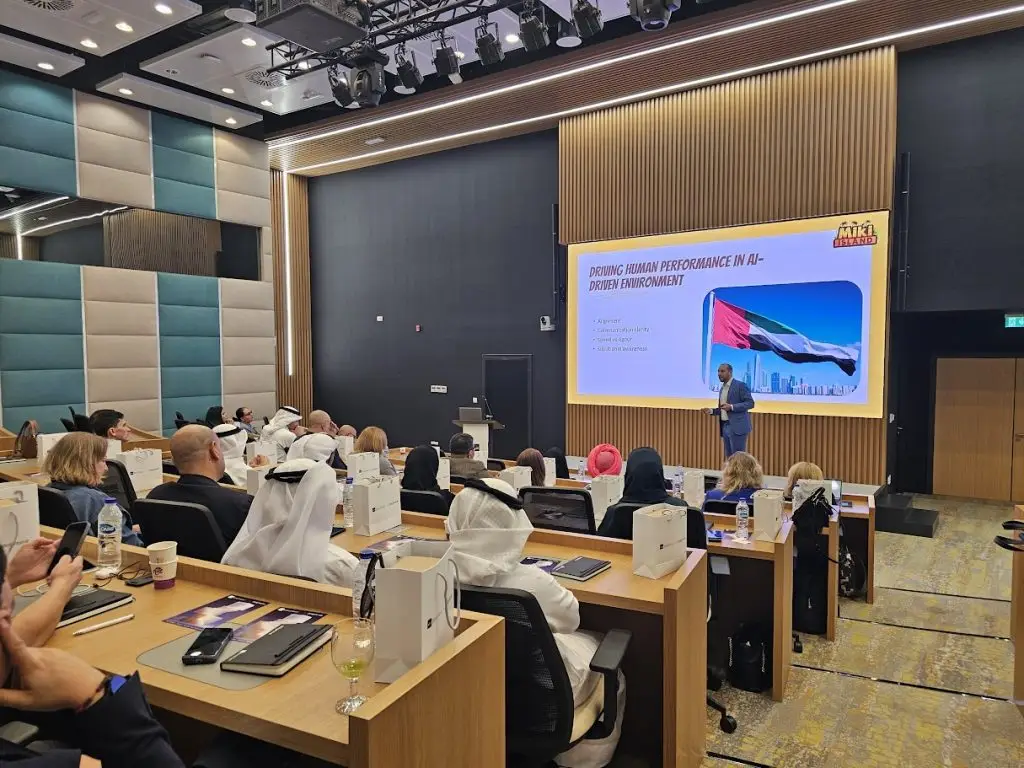
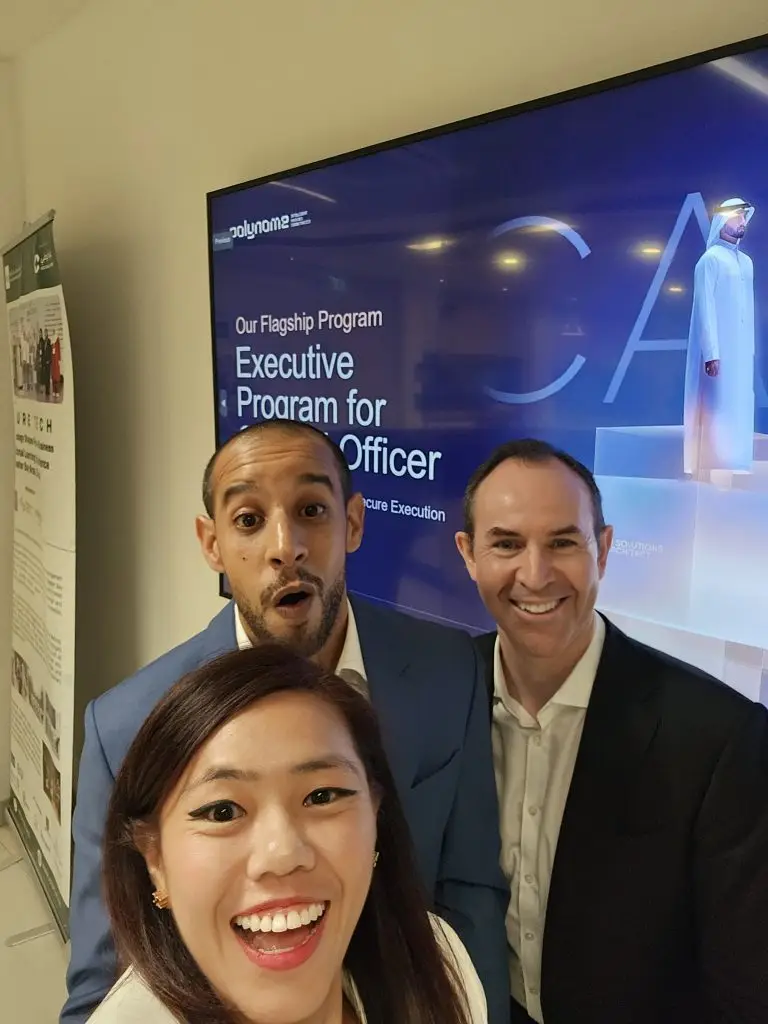
In the context of the Chief AI Programme, delivered in partnership with Polynome AI and Abu Dhabi School of Management, participants explored a critical question:
How do leaders build high-performing teams and healthy cultures in AI-enabled organisations?

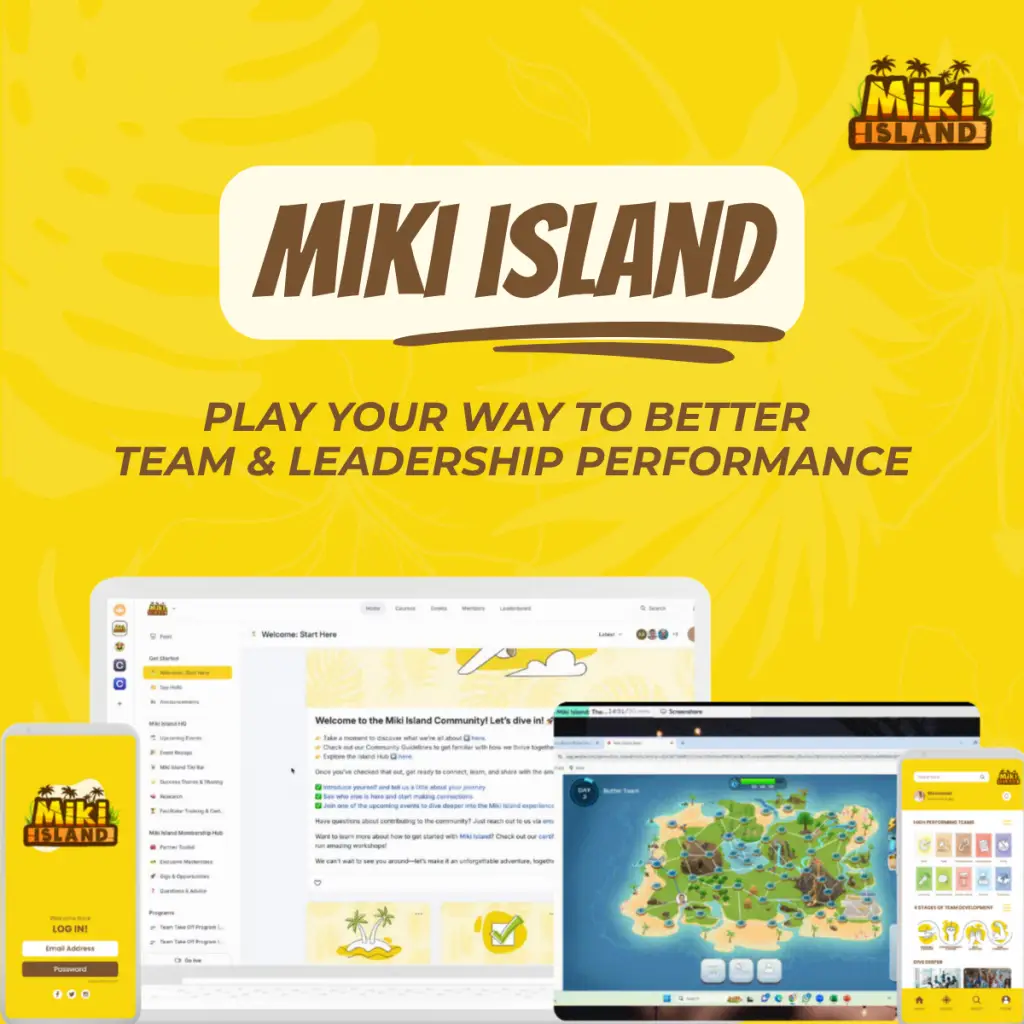
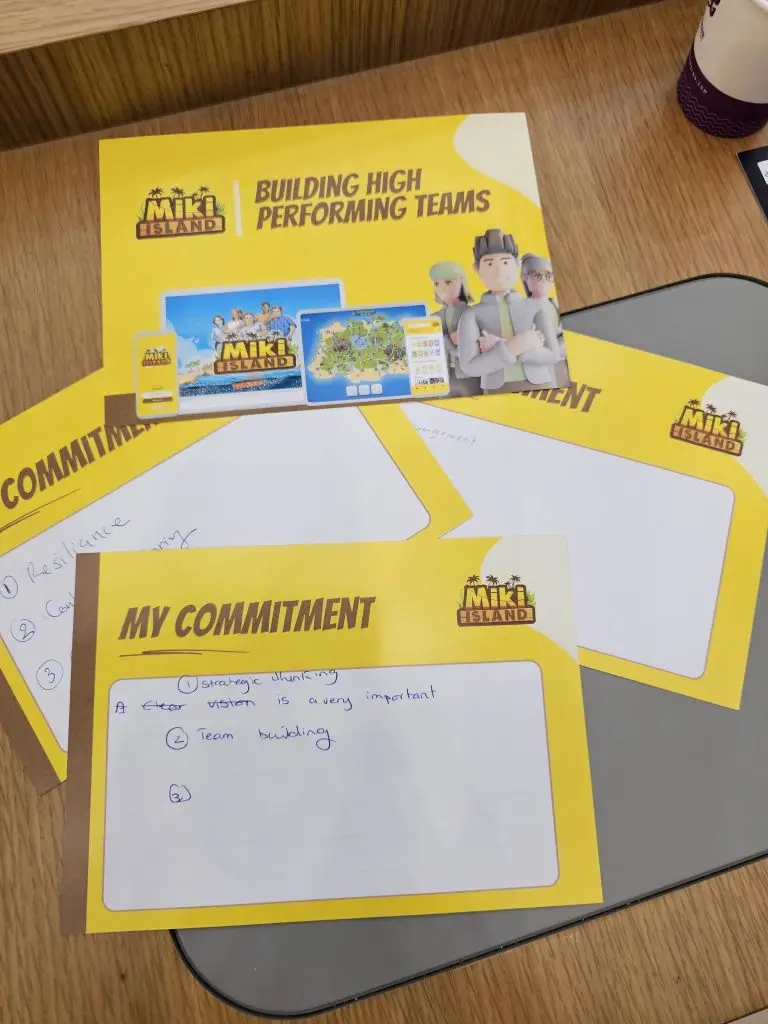
To address this, the programme integrated Miki Island business simulations, designed to make team dynamics, leadership behaviours, and cultural patterns visible—and actionable.


The Context: AI Changes Work, Not Human Nature

Participants in the Chief AI Programme were senior leaders and executives responsible for driving AI transformation across their organisations. While technical understanding of AI was essential, many leaders recognised a deeper challenge:

  • AI changes decision speed, roles, and accountability

  • Teams must collaborate across disciplines and data boundaries

  • Trust, psychological safety, and alignment become critical

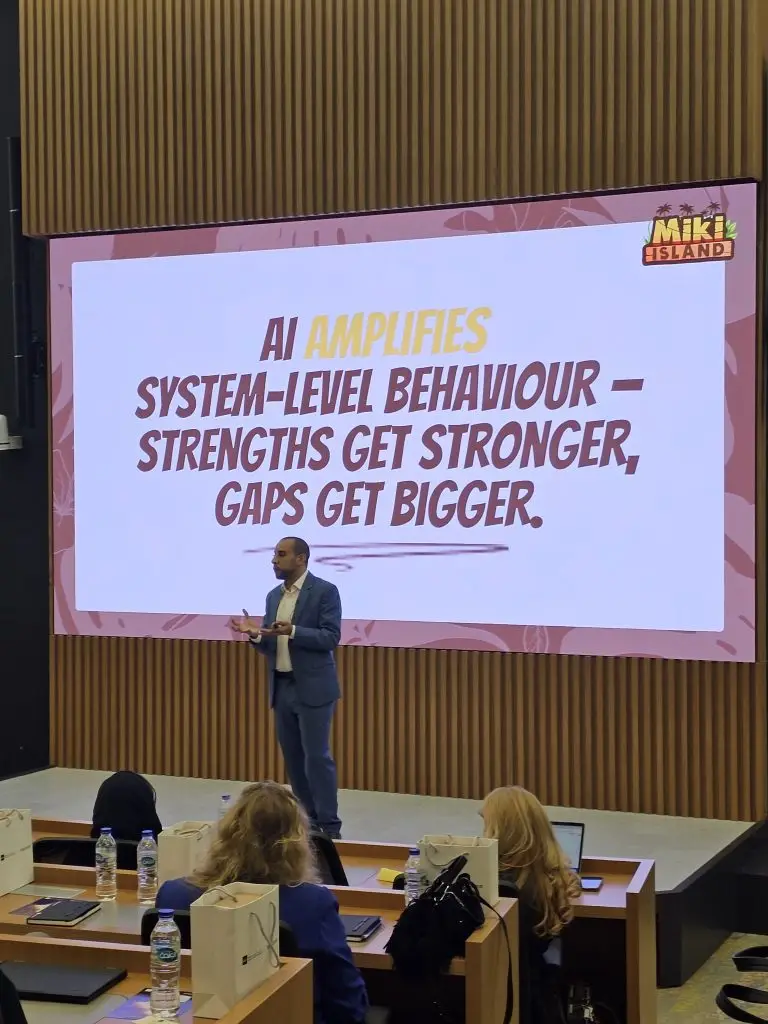
  • Leadership behaviours are amplified in high-pressure, AI-driven environments

  • Culture can either accelerate or block AI adoption

The programme recognised that AI transformation is ultimately a people and culture challenge, not only a technological one.


The Miki Island Simulation Experience

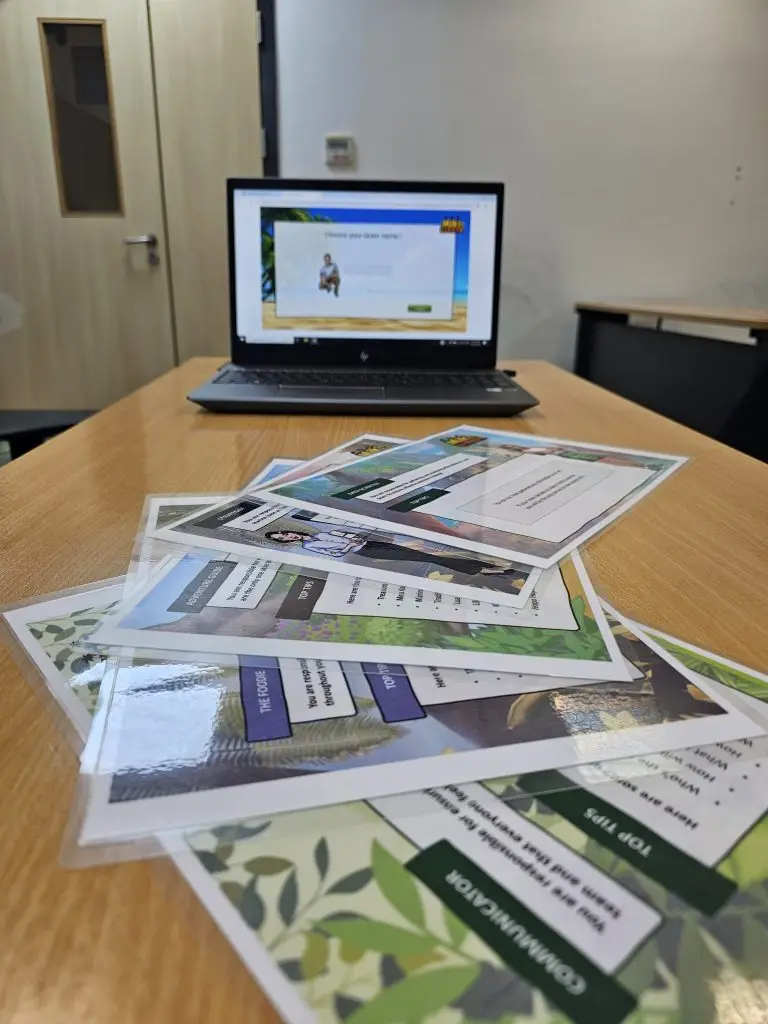
At the heart of the learning journey were Miki Island business simulations, immersive experiences designed to surface how teams function under pressure.

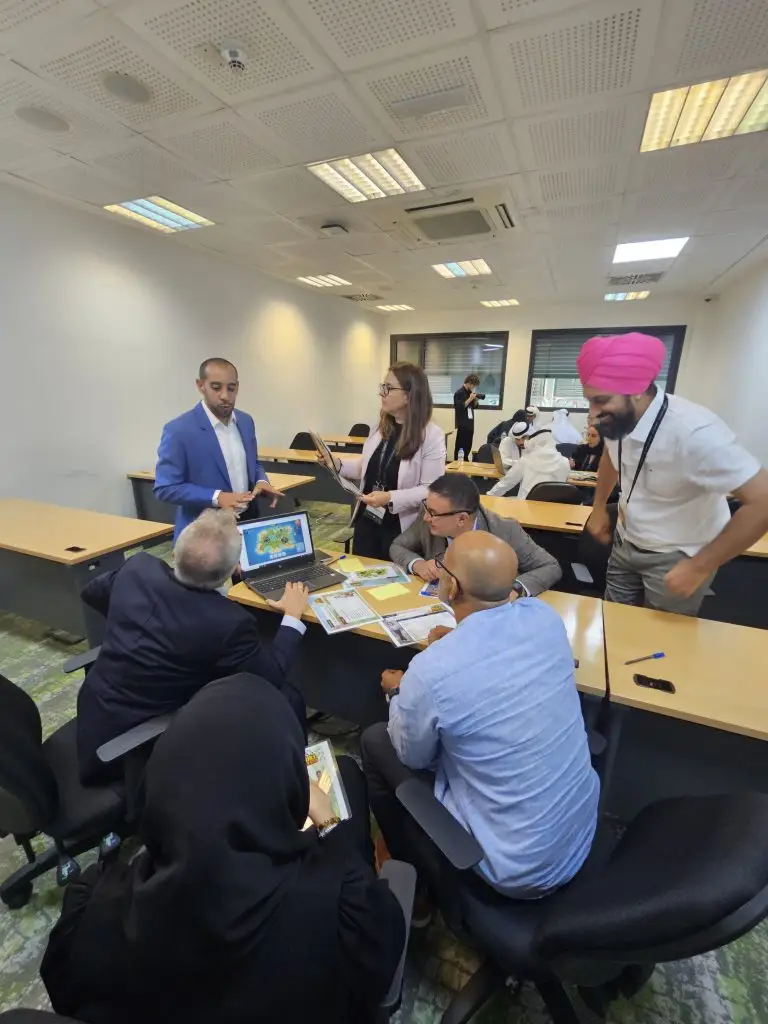
Participants engaged in realistic team-based scenarios where they were required to:

  • Make decisions collectively under uncertainty

  • Balance performance, wellbeing, and alignment

  • Navigate conflict, communication breakdowns, and trust dynamics

  • Reflect on leadership behaviours and their impact on the team

  • Experience how culture emerges through everyday interactions

Rather than teaching models of teamwork, the simulations allowed leaders to experience the consequences of team behaviours in real time.


What Leaders Experienced

The simulations quickly shifted the focus from individual expertise to collective effectiveness.

Participants experienced:

  • How leadership behaviours directly influence team energy and outcomes

  • The impact of psychological safety on decision quality

  • The tension between speed, inclusion, and alignment

  • How unspoken norms shape performance more than formal structures

For many leaders, the experience was a powerful mirror—revealing how their own leadership habits affected team performance in AI-driven contexts.